Thursday Brew with Gwen: The Greenhorns
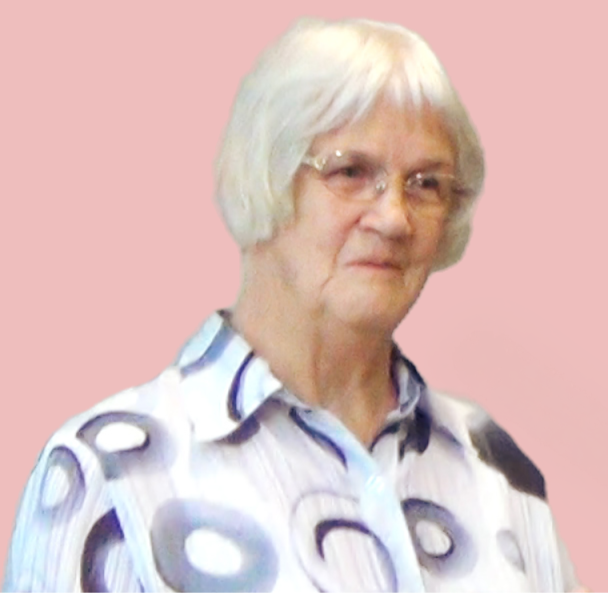
The Greenhorns
Children ran every which way, many of them in just their birthday suit. They were to sit on the floor at the front of the hall so they could see but none took any responsibility for them, and they ran amok. Crocodile Dundee was showing, and the whole town attended.
The building, a tin shed, was called the Progress Hall. The noise level was rising; soon, the roof would lift off.
My husband Bruce and I had seen the film before in more civilised circumstances, and because we were new in town, we decided to attend.
The miners wore thongs, shorts and navy singlets joined by women clad in shorts and cotton tops. the fashion of the opal field
We sat in a middle row, isolated by our dress, age and teetotalism. No one knew us or else they chose not to acknowledge us. We were in a cocoon surrounded by noise, beer, colour and activity. We gave up on the film to watch real live Dundees of the opal fields. Far more entertaining.
The Mines Department thought that the only fair way to allocate the claims was to revert to the practice used on the Victorian goldfields, and that was to announce that at 11 am on a designated day the manager of mining fire a shotgun into the air. People then rushed off to grab a piece of land 50m by 50m and peg it, hoping that underneath was the precious opal.
The day before the designated day, everybody and his brother arrived in town. Tensions were running high. Some miners camped on their prospective claims to ward off claim jumpers. It was illegal to put any pegs in until after the gun went off. We intended to make a claim; it was on the edge of the central area. We, like everyone else, had patrolled the field and made our choice.
The blast from the gun echoed across the hills and valleys we hurried to our claim and began to measure and drive in pegs. It was a surreal experience for out of the scrub appeared a Toyota 4WD with two khaki-clad Mines officers. ‘Have you got a licence?’ they barked. ‘Yes, back at our camp.’ We replied civilly. ‘Bring it to the office before closing time today,’ another shortly delivered order. These men were the modern equivalent of the hated troopers of the goldfields, just another way to show the divide between them and us.
While trying to’ fit in’ on the opal field, we met some Korean miners. They were hoping to strike it rich; it was why the town existed. We discovered they shared our Christian faith, and they invited us to share in their service. They even asked my husband to preach at one of their services.
Their English was limited, and our Korean nil. The language barrier proved a wall too high to build friendships.
Eventually, the Koreans returned home with their fortune, and we too followed later. When fortunes have been made the fly-by-nights leave. Only the die-hard opal miners and their families remain.

Comments